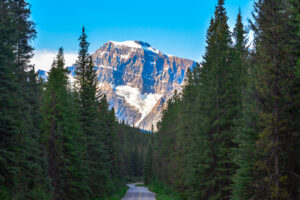
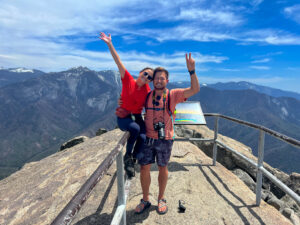
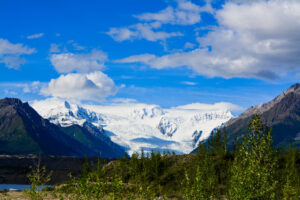
Olympic National Park is an absolutely incredible experience! We loved every second of our 6 days in the park. We experienced the park in what most consider the ‘perfect’ time of year – early June. While we researched and knew much about the park beforehand, we were still shocked by the extreme diversity of the park – from the ocean to glacier-capped mountains, Olympic National Park has SO much to offer. Our summary below is intended to be comprehensive, but we’re confident there is so much more we missed/did not know about. This will not be our last time visiting this park!
Our Favorites:
- La Push
- Tree of Life
- Hoh Rainforest Hall of Mosses
- Hurricane Hill
- Cape Flattery
- Lake Cushman
Juicy Facts
Olympic National Park is on Washington’s Olympic Peninsula in the Pacific Northwest. With its incredible range of precipitation and elevation, diversity is the hallmark of Olympic NP. Encompassing nearly a million acres, the park protects a vast wilderness, thousands of years of human history, and several distinctly different ecosystems, including glacier-capped mountains, old-growth temperate rain forests, and over 70 miles of wild coastline.
President Theodore Roosevelt originally designated the park as Mount Olympus National Monument to protect the native habitat of the elk herds. The Roosevelt Elk (which was later named in his honor) population declined significantly due to an increase in hunting as more Europeans settled. They dwindled to just 150 animals. The area was re-designated Olympic National Park by President Franklin Roosevelt in 1938.
Sections of the Park:
The Pacific coastline:

Olympic features 73 miles of the wild Washington coast—a combination of sand, rock, and massive trees. Discover a hidden and enchanting world in Olympic National Park’s tide pools filled with colorful sea stars, hermit crabs, and anemones; looming sea stacks and rock arches; steep headland cliffs; and wildlife like whales, seals, sea lions, sea otters, raccoons, and eagles.
Drive-up beaches include:
- Rialto
- Kalaloch
- Ruby Beaches.
For a short hike, head to
- Third Beach
- Second Beach
- Shi Shi Beaches (From Shi Shi beach walk along the sandy driftwood cluttered coastline to Hole-In-The-Wall).
Our favorite stops were La Push and Cape Flattery.
Alpine areas:

Dramatic, frozen glacier-topped peaks dominate Olympic NP’s central zone and tower over the park’s hot springs and rain forests. Journeying up to these heights brings fantastic views of the ocean, forests, lakes, and surrounding peaks, plus a chance to spot black bears, mountain goats, and marmots. Stellar hiking trails trace ridgelines and meadows throughout this ecosystem, and mountaineers can attempt the park’s tallest peaks, like 7,980-foot Mt. Olympus; which helped sculpt the wild, beautiful landscape, carving out ridges and basins.
Descending from Mt. Olympus is Blue Glacier; the largest glacier in the park at over 2.6 miles long. Blue Glacier is so large that it is equal to over 20 trillion ice cubes.
Top mountain environments include:
- Hurricane Ridge
- Royal Basin
- Deer Park
- Anderson Pass.
Our favorite view was from the Hurricane Ridge visitor center.
The west-side temperate rainforest:

Green, otherworldly landscapes flourish on the park’s west side, where abundant rainfall (~12 ft a year) and moderate year-round temperatures support the rare temperate rainforest ecosystem. Here, Sitka spruce, Douglas fir, western hemlock, and western redcedar grow to gargantuan size (250 feet or taller) and old age (hundreds of years). Here you can spot Roosevelt elk, deer, and river otters making their homes in the forest. Plant life blankets everything — from the tree-top canopy to moss-covered ground; massive conifers and over 130 species of mosses, lichens, and ferns.
Rainforest areas to visit:
- Hoh Rainforest (most famous)
- Bogachiel
- Quinault
- Queets
Our favorite hike was the Hall of Mosses.
The forests of the drier east side:

Huge trees older than 200 years blanket much of the park’s lower elevations, accentuated by big rivers and scenic lakes. Species like Douglas fir, western hemlock, and western red cedar umbrella the huckleberries, salal, and trillium, and wildlife such as spotted owls and rare fishers move among the trunks.
Lake Crescent, one of the park’s prettiest lakes, is also part of this ecosystem. Lake Crescent’s waters are so pristine, that visitors can see over 60 feet down into the lake.
While most lakes grow algae, Lake Crescent lacks nitrogen, making its waters crystal clear
To explore the lowland forest, head to the Elwha, Sol Duc, and Staircase areas.
Our favorite hike was the Staircase Rapids.
*Tip: Enjoy the stunning night sky while visiting Hurricane Ridge or coastal beaches. At night, the sky is free from light pollution. What might look like a faint cloud could be the Milky Way and light from millions of distant stars. On clear nights, you can relish in the thrilling sight of faraway constellations, nebulae, and planets with the naked eye
Where to Stay:
After visiting 21 National Parks we’ve slept in over 100 different locations. From campgrounds (in and outside the parks) to national forest lands, BLM grounds (bureau of land management), and even DNR land (department of natural resources). No doubt finding a campsite inside the park can offer the best views of the park attractions plus close access to trailheads. However, some of the best camping we’ve done has been outside the parks, proving to have rivaling views. Inside Olympic National Park there are 15 developed campgrounds (the newest being Fairholme). All are first-come, first-served, except for Fairholme, Kalaloch, Sol Duc, and Mora which offer reservations during the summer peak season.
Campgrounds:
The Pacific Coastline:
- South Beach: Positioned on a bluff overlooking the Pacific Ocean, South Beach offers panoramic ocean views and beach access. (55 sites; FCFS) Kalaloch: Oceanside camp at Kalaloch with some sites overlooking the Pacific Ocean and beach access. (170 sites, RA)
- Mora: Situated in a coastal forest, some sites offer views of the Quillayute River. Mora is located two miles from Rialto Beach. (94 sites, RA)
- Ozette: Adjacent to Lake Ozette, this small campground is great for those that enjoy lakeside camping and water activities (15 sites, FCFS)
Alpine areas:
- Deer Park: A mile plus in the sky, Deer Park Campground is home to views unrivaled by all others in the park. (14 sites, tent-only)
- Heart O’ The Hills: Snug in the old-growth forest this busy site still allows for privacy so bring your honey or your friends. (105 sites (campers under 35 ft), FCFS)
West-side Temperate Rainforests:
- Hoe Rainforest Campground: Located in the stretch of the Pacific Northwest rainforest which once spanned the Pacific coast from southeastern Alaska to the central coast of California. The Hoh is one of the finest remaining examples of temperate rainforest in the United States. (72 sites, RA)
- Queets: Relax in this secluded campground near the Queets River. This campground is only accessible from the Upper Queets River Road due to a past mudslide (20 sites, FCFS)
- Graves Creek: Located in the Quinault Rain Forest, relax near a serene stream. (30 sites, FCFS)
- North Fork: Surrounded by temperate rainforest, this small and remote campground is a great spot for campers seeking solitude. (9 sites, FCFS)
The Forests of the Drier East Side:
- Sol Duc: Sol Duc is in the northern part of Olympic National Park. Sol Doc offers three mineral hot spring pools heated between 98-107F and a large freshwater swimming pool that ranges from 50-85F. (82 tent sites/17 camper sites, RA)
- Staircase: Camp near the Skokomish River and enjoy the old-growth forest at Staircase campground. (51 sites, FCFS)
- Elwha: Nestled deep in the Elwha Valley, this Campground lies on the banks of a swift river by the same name. (41sites (campers under 21ft), FCFS)
- Altair: Vibrant and lush and as green as a gardener’s thumb with views of Elwha River. (30 sites, FCFS)
- Fairholme: Sits on the west end of Lake Crescent, the second largest lake in Washington. (88 sites, RA)
Dispersed Camping *FREE*:
Olympic National Park is surrounded by National Forests which provide advantages such as solitude, space, and adventure.*All National Forest lands are open to camping unless otherwise posted*. While there are many advantages there are a few drawbacks to wilderness camping including fire permit requirements, the need to bring or purify water, the possibility of floods, and having to properly dispose of human waste while in the forest. Remember “Leave No Trace”.
If Camping isn’t your thing:
Colette’s B&B in Port Angeles, Lake Crescent Lodge, Log Cabin Resort, Sol Duc Hot Springs Resort, Lake Quinault Lodge, Kalaloch Lodge
Hikes & Viewpoints:
Olympic National Park comprises nearly 1 million acres of land and provides a multitude of opportunities for hiking within the park for hikers of all abilities. So, pack some snacks, your sunscreen, hiking boots, + other essentials & feast your eyes on the scenery.
Pacific Coastline:
- Rialto Beach to Hole-In-The-Wall: Discover the coastline on this 3.3-mile out-and-back hike to a rocky arch providing noteworthy tide pools. *Check the tide schedule as the waves get rough and may be dangerous*
- Shi Shi Beach to Point of Arches: When it comes to picturesque views of the wild and rugged Olympic Coast, Shi Shi and Point of Arches top the list at 8 miles out-and-back.
- Cape Flattery: One of our favorite hikes. This is a well-manicured and lush coastal hike with many scenic pop-outs to view the ocean, marine life, and of course, Cape Flattery. It is the most North-Western point of the contiguous USA. 1.2 miles out-and-back trail.
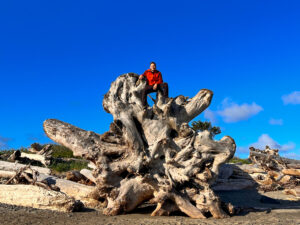
- Tree of Life: Take a short walk down Kalaloch Beach and hunt for sand dollars as you approach what appears to be a floating tree. This tree has visible roots with seemingly no soil making it “immortal”.
Alpine areas:
- Hurricane Hill: Positioned on the mountain ridge this hike fools the eyes with seemingly endless mountains and views of Mt Olympus & the Vancouver Island Mountains. It is a 3.4-mile out-and-back trail.
- Sunrise Point via High Ridge Nature Trail: This short, yet steep .9-mile loop makes for the perfect sunrise spot.
- Klahhane Ridge Trail To Mount Angeles: This chilly and narrow 5 miles hike provides views incomparable to others, however, it is challenging. Check for snow updates.
West-side Temperate Rainforests:
- Hall of Mosses: Rain or Shine visitors flock to this 1-mile hike as it looks straight out of a Dr.Seuss book. This hike provides everything you need to see from the rainforest.
- Hoh River Trail to Blue Glacier: Pass spectacular old-growth dripping with moss, nurse logs providing nourishment to full-grown trees and end with a panorama including the aptly named Blue Glacier and Mount Olympus. 37 miles (but stop at any point, it is out-and-back)
The Forests of the Drier East Side
- Marymere Falls to Mt Storm King: This steep, but doable 4-mile hike gives gorgeous views of the lush rainforest, along with rivers from the falls. Bring your hiking boots as it is very muddy.
- Staircase Rapids – Skokomish River Suspension Bridge: Another one of our favorite hikes. This 4.4-mile hike gave us an up-close view of the glacier blue rushing waters and driftwood footbridges.
- Sol Duc Falls: This well maintained & popular 1.6 miles out-and-back trail through the forest announces itself with a roar. Depending on water volume, Sol Duc Falls splits into as many as four channels as it cascades 48 feet into a narrow, rocky canyon.
Impressive Viewpoints:
- Hurricane Hill Visitor Center
- Kloshe Nanitch Lookout
- Lake Crescent
- La Push
- Cape Flattery
Two Awesome Resources:
Here is a map we built to bring it all together!
Here is a Guide we pulled together on Instagram